
Summary
Paying for memory care without selling house property is possible with strategic planning that combines multiple funding sources and resources. Learn how families can explore home equity options, benefits, insurance, and other creative solutions to afford specialized dementia care while preserving homeownership.
- Start with a complete financial picture by gathering income, assets, expenses, and care needs to create a realistic monthly budget for memory care costs
- Explore home equity tools like reverse mortgages, HELOCs, or home equity loans with a qualified financial professional before making any decisions
- Consider rental income from the home as an ongoing funding source, accounting for taxes, maintenance, and property management fees
- Review available benefits and insurance options, including long-term care insurance, Veterans Aid and Attendance benefits, and life insurance resources
- Build a sustainable plan combining multiple resources—such as savings, benefits, rental income, and family contributions—with yearly check-ins to adjust as care needs change
When someone you love needs specialized support for Alzheimer’s disease or another form of dementia, financial questions can feel overwhelming. Many families assume they must sell the family home right away to cover costs, but that is not always the case.
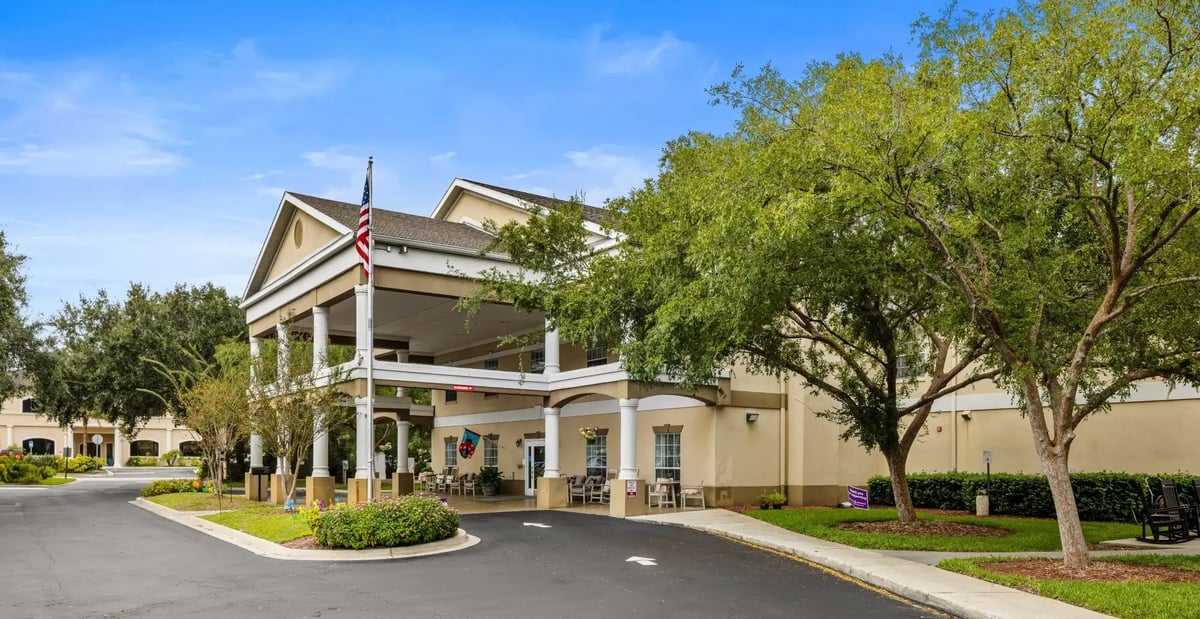
Paying for memory care without selling house property may be possible with the right mix of planning, benefits, insurance, home equity tools, and family resources. At Discovery Commons San Pablo in Jacksonville, FL, families can explore Assisted Living and SHINE® Memory Care in a welcoming community with chef-prepared meals, daily wellness programs, weekly housekeeping, scheduled transportation, and support tailored to changing needs.
Start With a Clear Financial Picture
Before choosing a payment strategy, gather the full picture of income, assets, expenses, and care needs. This helps families understand what is available now and what may be needed later.
Memory care costs financial strategies should begin with a realistic monthly budget. Include income from Social Security, pensions, retirement accounts, savings, investments, insurance policies, and any possible family contributions. Then compare those resources with current home expenses and expected senior living costs.
At Discovery Commons San Pablo, families can request apartment home pricing and floor plan details to understand current availability and costs. That information can help you compare options based on your loved one’s needs instead of relying on general estimates.
Use Home Equity Without Selling Right Away
For many families, the home is one of the largest assets. If your goal is to afford memory care and keep house ownership in place, certain home equity tools may help create funding without an immediate sale.
Options to discuss with qualified financial professionals may include:
A reverse mortgage for eligible homeowners age 62 or older
A home equity line of credit, often called a HELOC
A home equity loan with structured repayment terms
Renting the home for monthly income
Using short-term financing while benefits or insurance claims are reviewed
Each option has risks, costs, eligibility rules, and long-term effects. Speak with a financial advisor, elder law attorney, tax professional, or HUD-approved counselor before making decisions tied to home equity.
Consider Rental Income from the Home
Rental income can help families pay for dementia care without selling property. This may be a helpful option if the home is in good condition, located in a strong rental market, and important to keep in the family.
Some families manage the rental themselves, while others hire a property management company to handle screening, maintenance, rent collection, and tenant communication. The income may help offset monthly memory care expenses while preserving the option to sell later.
Before renting, account for taxes, insurance, repairs, vacancies, property management fees, and local rental rules. A realistic estimate is better than assuming the full rent amount will go toward care.
Review Benefits, Insurance, and Existing Resources
Memory care payment options without selling home property may also include benefits and insurance. Some families discover resources they did not know were available.
Potential funding sources may include:
Long-term care insurance, depending on the policy
Veterans Aid and Attendance benefits, if eligible
Life insurance riders or cash value, if available
Retirement income, pensions, savings, or investments
Family contributions or shared payment planning
Discovery Commons San Pablo also offers a Veterans Program, so families can ask how the community supports eligible residents in learning more about available benefits. For eligibility and claim decisions, confirm details with the appropriate agency or a qualified benefits advisor.
Explore Private Financing and Bridge Options
Financing memory care alternatives may help families create time while they compare longer-term choices. A bridge loan, personal loan, or family loan may provide short-term support while insurance claims, benefit applications, or rental plans are being finalized.
These options should be reviewed carefully. Interest rates, repayment terms, collateral, and family expectations can all affect the long-term plan. Written agreements can help prevent misunderstandings, especially when multiple family members are involved.
The goal is not to choose the fastest option. It is to choose a plan that protects your loved one’s support needs while giving the family time to make thoughtful decisions.
Compare the Value of Memory Care
Cost matters, but families should also consider what is included. Memory care can provide structure, support, meals, housekeeping, transportation, and specialized programming in one setting.
At Discovery Commons San Pablo, SHINE® Memory Care supports residents living with Alzheimer’s disease or related dementias in Jacksonville, FL. The community also offers chef-prepared meals, wellness programs, weekly housekeeping, scheduled transportation, and team members who help families understand living options and next steps.
When comparing communities, ask about:
What is included in the monthly rate
What may cost extra as support needs change
How memory care plans are created and updated
How meals, housekeeping, transportation, and wellness are handled
How families receive updates and stay involved
This can help you compare overall value instead of focusing only on the monthly number.
Build a Sustainable Long-Term Plan
A strong plan often combines several resources. For example, a family may use savings during the first few months, apply for veterans' benefits, review long-term care insurance, and rent the home for ongoing income.
Regular check-ins are important. Memory care needs can change, and financial plans may need to change with them. A yearly review with a financial advisor or elder law attorney can help families adjust before stress builds.
Some families may eventually choose to sell the home. Others may keep it long-term. The advantage of planning early is having time to decide carefully rather than rushing during a crisis.
Frequently Asked Questions
Can Families Pay for Memory Care Without Selling the House?
Yes. Some families use savings, insurance, veterans' benefits, rental income, home equity tools, family contributions, or a combination of resources.
What Are Memory Care Payment Options Without Selling Home Property?
Options may include long-term care insurance, veterans' benefits, reverse mortgages, HELOCs, rental income, life insurance resources, retirement income, and family planning.
How Can Families Afford Memory Care and Keep the House?
Start with a full budget, request current pricing, review benefits and insurance, consider rental income, and speak with qualified financial and legal professionals.
What Financing Memory Care Alternatives Should Families Review?
Families may review bridge loans, home equity tools, private loans, family agreements, insurance claims, and benefit programs with professional guidance.
What Does Discovery Commons San Pablo Offer?
Discovery Commons San Pablo offers Assisted Living and SHINE® Memory Care in Jacksonville, FL, with chef-prepared meals, wellness programs, weekly housekeeping, scheduled transportation, and supportive services.
Schedule a tour of Discovery Commons San Pablo to explore SHINE® Memory Care, Assisted Living, apartment homes, pricing, services, and payment planning in Jacksonville, FL.